
How Do I Know If I Need a Root Canal?


Most people don't wake up thinking, "I bet I need a root canal." What usually happens is a tooth starts acting up. It aches when you chew, or your coffee suddenly hurts, and you wait to see if it goes away on its own.
Sometimes it does. But some symptoms point to a problem inside the tooth that won't fix itself. Here's how to tell the difference, and what to do if your tooth is sending you warning signs.
What Is a Root Canal, and Why Would You Need One?
A root canal is an endodontic procedure that saves a tooth that's badly infected or damaged. The soft tissue inside your tooth, called the pulp, can become infected when deep decay or trauma like a cracked tooth lets bacteria reach it. During a root canal, the infected pulp is removed, and the inside of the tooth is cleaned and sealed so the infection can't come back.
The goal is simple: keep your natural tooth instead of losing it.
Signs You Might Need a Root Canal
A toothache that won't quit. Pain that keeps coming back, especially when you chew or press on the tooth, is one of the most common signs. It can range from a dull ache to an intense, throbbing pain that's hard to ignore.
Sensitivity to hot or cold that lingers. A quick zing from ice water is common. Sensitivity that sticks around after the hot or cold is gone can mean the nerve inside the tooth is damaged.
Swollen or tender gums near one tooth. Swelling or soreness around a single tooth often points to an infection at the root.
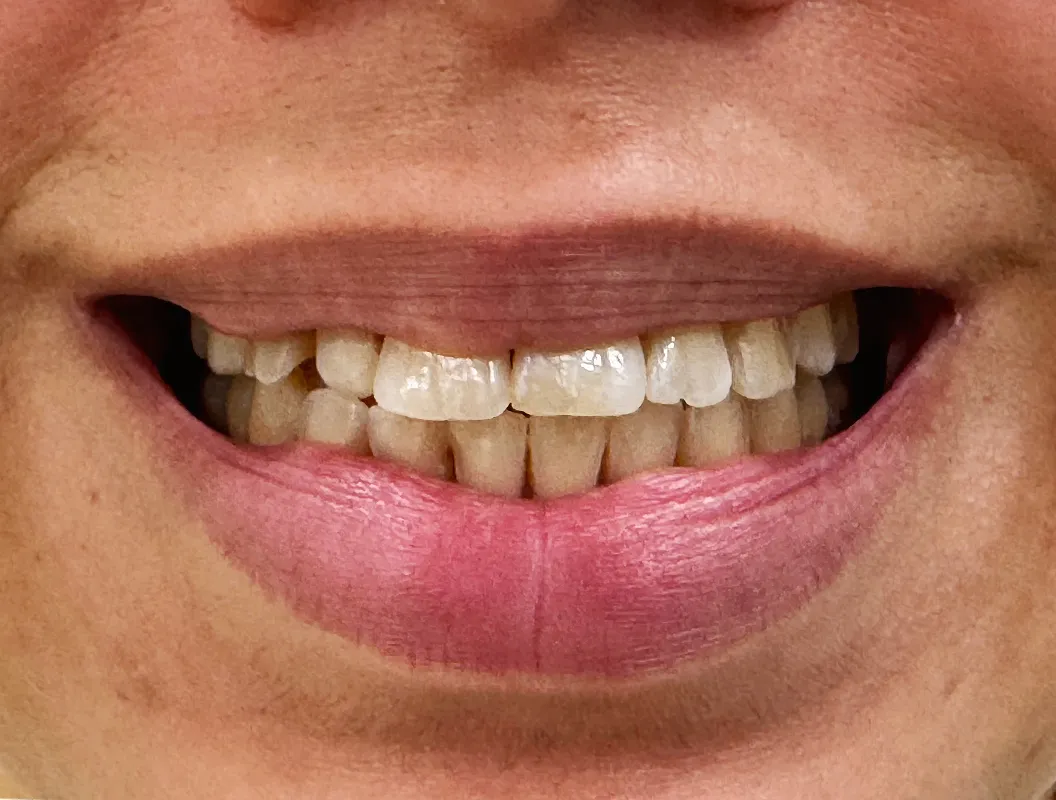
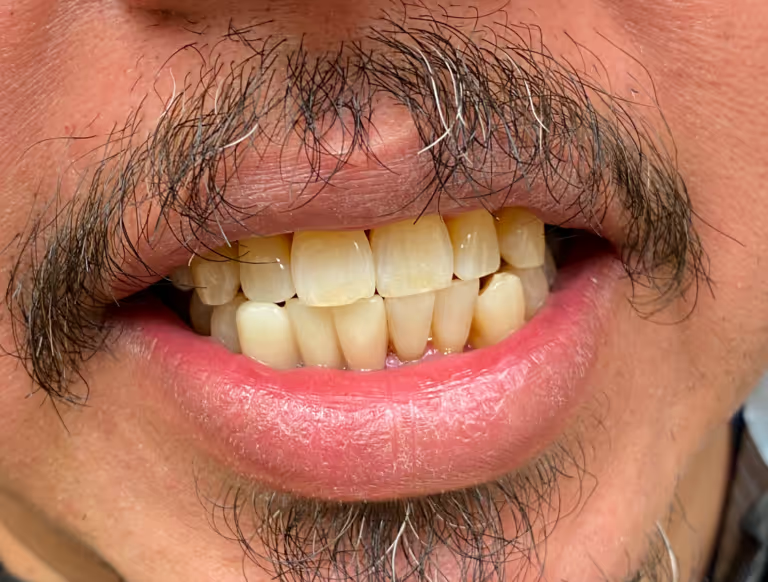
A tooth that's turning darker. A tooth that gradually loses its color can be a sign of nerve damage or infection inside.
A pimple or bump on your gum. A small, persistent bump near the tooth can be a sign that infection is draining from the root. It needs to be looked at, even if it doesn't hurt.
You don't need to have every sign. Even one of these is worth a call. And not every toothache means a root canal. Sometimes it's a cavity, a cracked filling, or jaw pain from something else entirely. An exam is how you find out.
What Happens If You Wait?
A tooth infection doesn't clear up on its own, and putting off treatment usually makes things harder.
- The infection can spread. Bacteria can move past the root into your jawbone and gums, leading to a painful dental abscess and swelling.
- You could lose the tooth. If enough of the tooth is destroyed, saving it may no longer be possible, and a tooth extraction becomes the only option.
- The pain gets worse. A dull ache can turn into throbbing pain that keeps you up at night.
- It can affect more than your mouth. Untreated oral infections have been linked to broader health problems.
- It usually costs more later. Replacing a lost tooth with a bridge or implant takes more time and money than treating the tooth early.
Are Root Canals as Bad as People Say?
Not usually. Most of a root canal's reputation comes from the infection, not the treatment. The procedure is what relieves the pain.
Here's what treatment generally looks like:
- The area is numbed so you're comfortable.
- Sedation is available if you're anxious.
- The infected tissue is removed.
- The inside of the tooth is cleaned and sealed.
- A natural-looking crown is placed to protect the tooth.
If the fear of pain is what's holding you back, we've written more about why dental treatment doesn't have to hurt and how sedation helps with dental anxiety.
If you're nervous, you're not alone. One patient who came in for a second opinion after a rough experience elsewhere wrote that her dental anxiety was easier to manage with Dr. Dinh and the team, and that he walked her through a plan for a molar that would likely need a root canal or extraction.
Recovering After a Root Canal (Especially in Texas Heat)
Most people are back to normal within a day or two. A few things help, especially during a hot Missouri City summer:
- Drink plenty of water. Heat and sweating can dry you out, and saliva helps keep your mouth clean while it heals.
- Stick with cool, soft foods for a few days. Skip very hot food and drinks so you don't irritate the area.
- Stay somewhere cool for the first 24 to 48 hours. Long stretches outside in the heat can make swelling worse.
- Use a cold compress if you swell. Hold it gently against your cheek.
- Follow your aftercare instructions and keep any follow-up visits. Also stay on schedule with your regular exams.
How to Lower Your Chances of Needing a Root Canal
- Brush twice a day and floss once a day. After sugary snacks or candy, wait about 30 minutes before brushing so you don't scrub acid into your enamel.
- Drink water after sweets or sugary drinks. It rinses away sugar and acid.
- Don't ignore sensitivity that lingers. It can be an early sign of decay, and decay caught early is much easier to treat.
- Keep up with checkups. Routine visits catch small cavities before they reach the nerve.
Frequently Asked Questions
Can a tooth infection go away on its own?
No. Pain might come and go, but the infection stays and can spread. A tooth that stops hurting can still be infected, because the nerve may have died.
Is it better to pull the tooth instead?
Keeping your natural tooth is usually the better long-term option. An extraction leaves a gap that typically needs a bridge or implant later, which adds time and cost.
What if my tooth starts hurting badly after hours?
Call the office. Lake Olympia Dental offers emergency dentistry and has evening hours on Tuesday, Wednesday, and Friday, plus Saturday appointments. If you're not sure whether it's a dental emergency or an ER visit, here's when to call your dentist instead of the ER.
How can I pay for a root canal?
Lake Olympia Dental offers Cherry payment plans and an in-house membership plan. The finances and insurance page has more details.
Talk to a Missouri City Dentist About Your Tooth
If any of these signs sound familiar, it's worth getting it checked sooner rather than later. Early treatment gives you the best chance of saving the tooth and getting out of pain.
Contact Lake Olympia Dental or book online to have Dr. Dinh take a look. You can learn more about our endodontic care or visit the Lake Olympia Dental homepage.

See what our
patients have to say
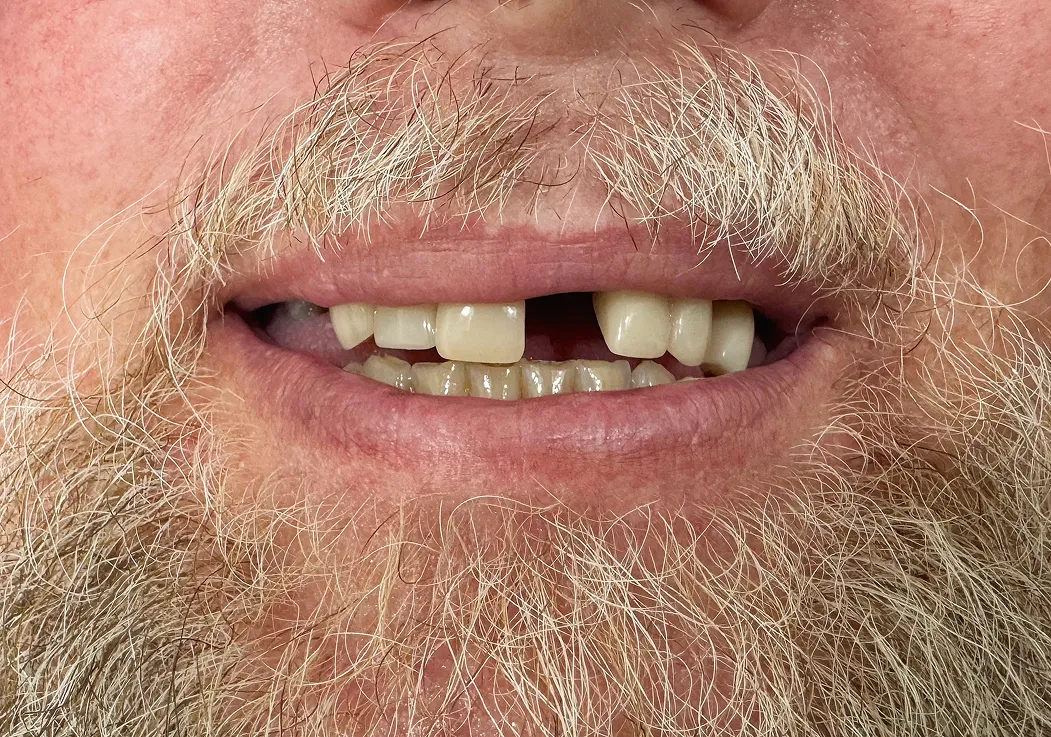
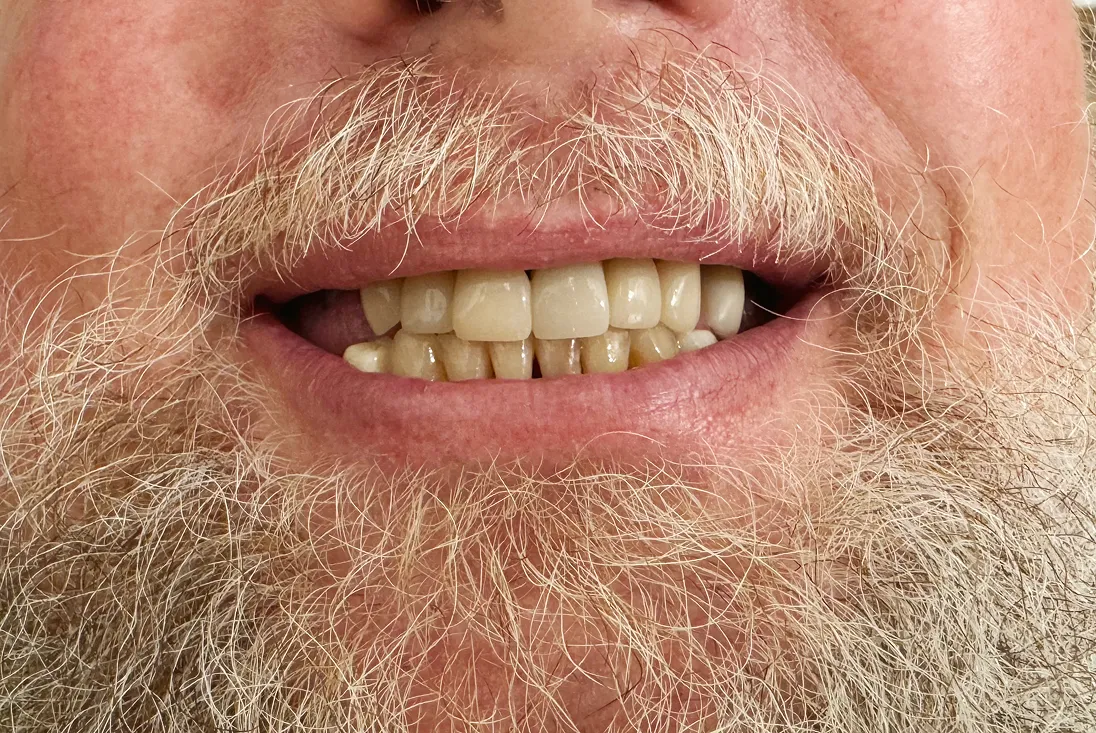
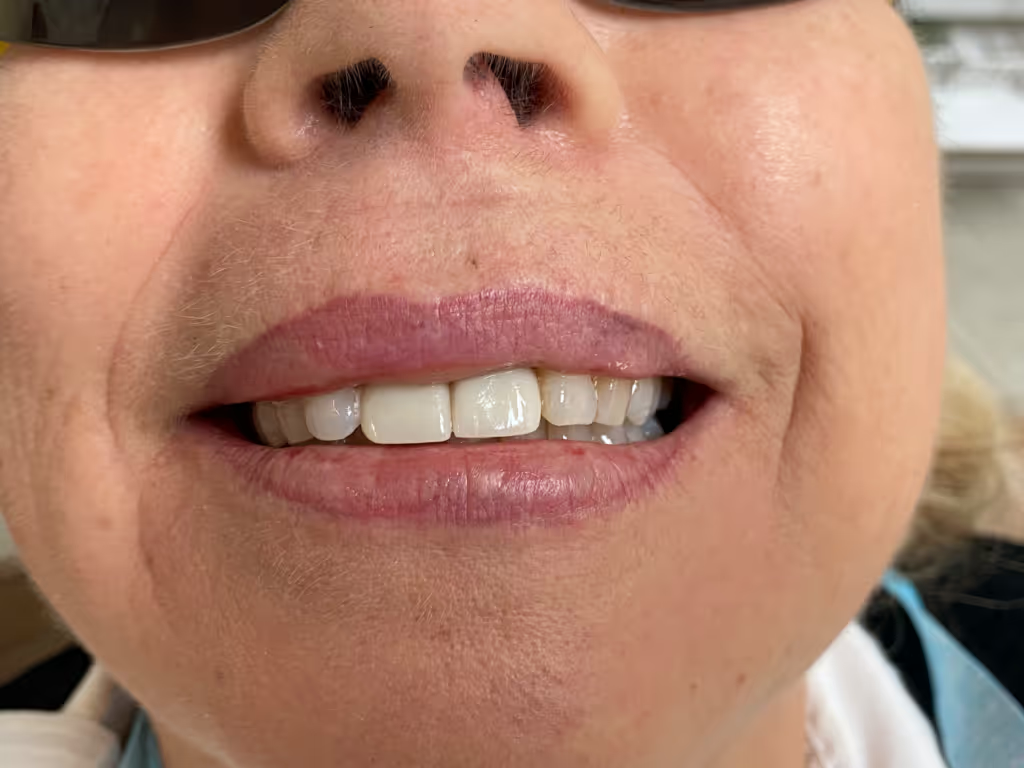
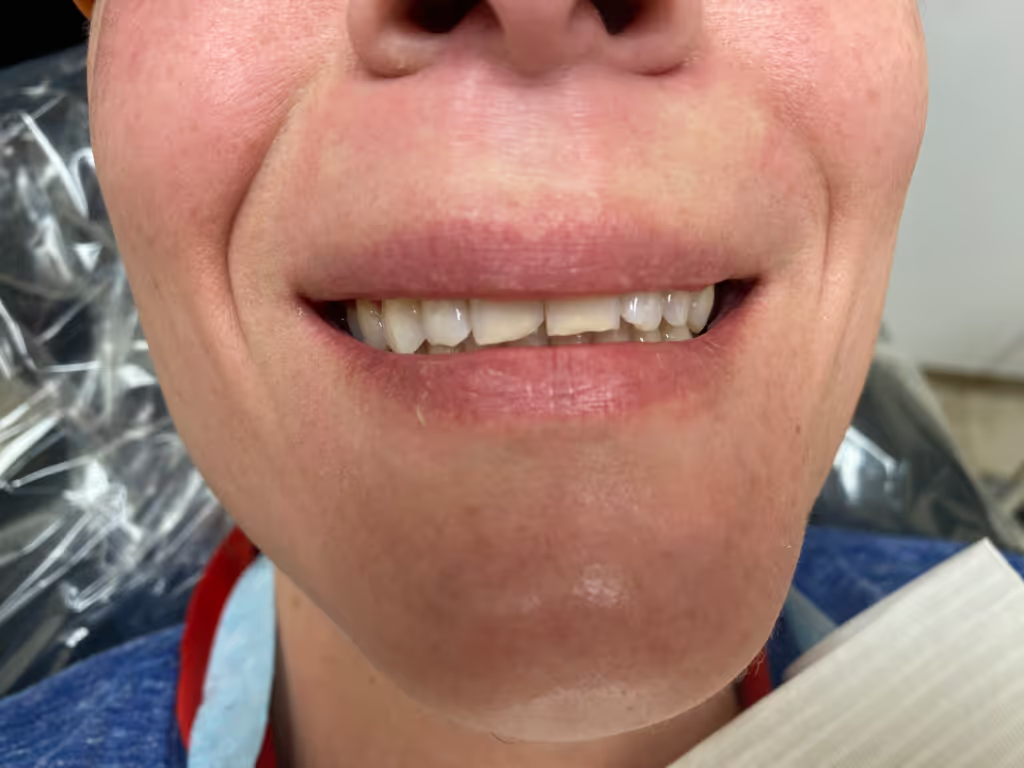
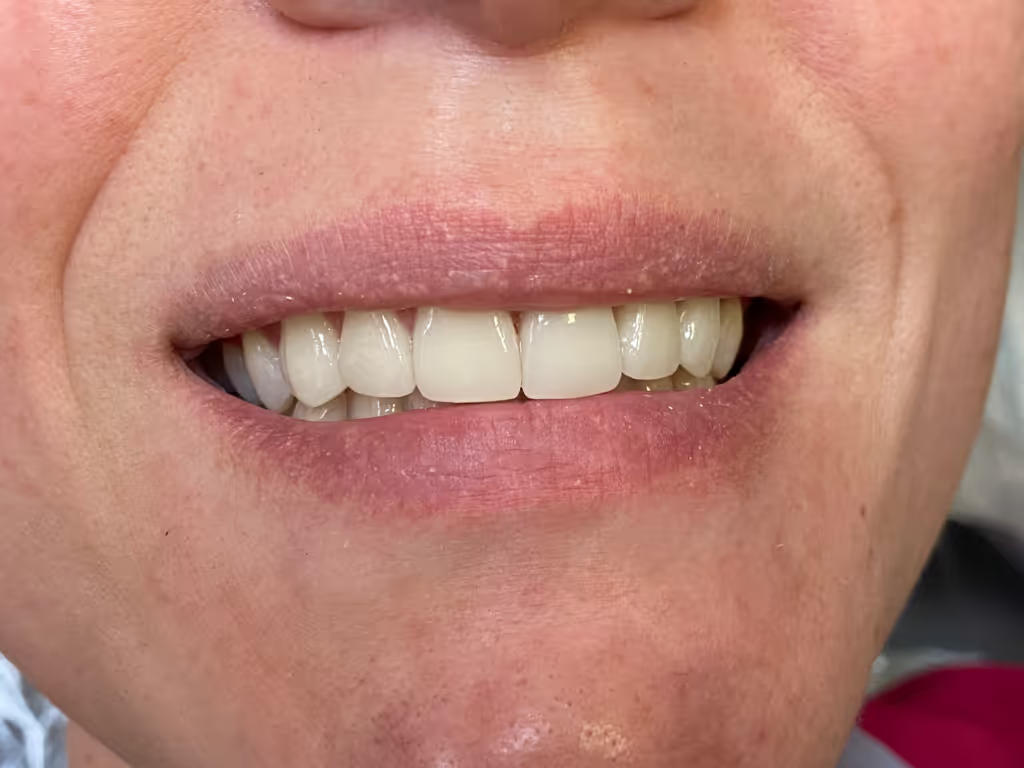
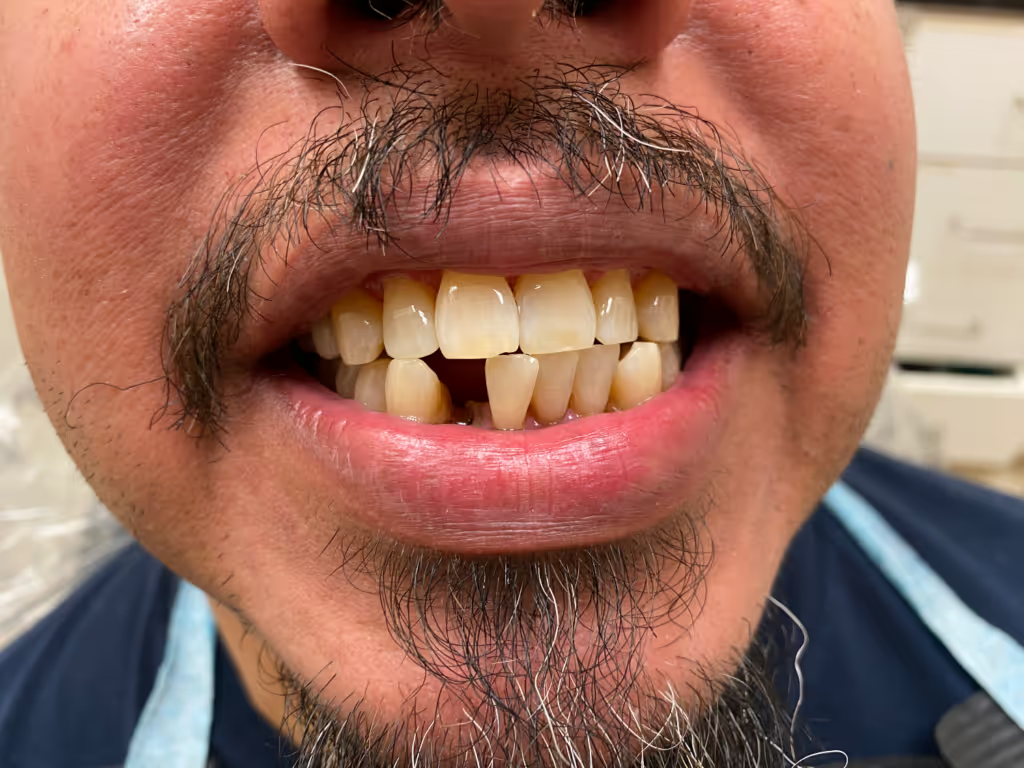
Before VS After


start your dental journey today